Complete Indoor Plant Care Guide

Learn how to keep your indoor plants healthy and thriving in Irish homes. Our comprehensive guide covers all aspects of plant care.

Watering Your Plants

Proper watering is essential for plant health. Overwatering is one of the most common mistakes, so understanding your plant's needs is crucial.

Check Soil Moisture

Before watering, check the top inch of soil. If it feels dry, it's time to water. If it's still moist, wait a few more days.

Water Thoroughly

When you water, do so thoroughly until water runs through the drainage holes. This ensures the entire root system receives moisture.

Establish a Schedule

While each plant is different, most indoor plants need watering every 1-2 weeks. Adjust based on season and your home's conditions.

Seasonal Adjustments

Plants typically need less water in winter when growth slows. Increase frequency during active growing seasons in spring and summer.

Light Requirements

Understanding light levels in your home is key to placing plants where they'll thrive. Irish homes often have varying light conditions throughout the day.

Bright Indirect Light

Most tropical plants prefer bright, indirect light. This means near a window but not in direct sunlight, which can scorch leaves. East or north-facing windows are ideal.

Low Light Conditions

Some plants, like Snake Plants and ZZ Plants, thrive in lower light conditions. These are perfect for rooms with limited natural light.

Direct Sunlight

Few indoor plants tolerate direct, harsh sunlight. If you have south-facing windows, use sheer curtains to filter the light or choose sun-tolerant varieties.
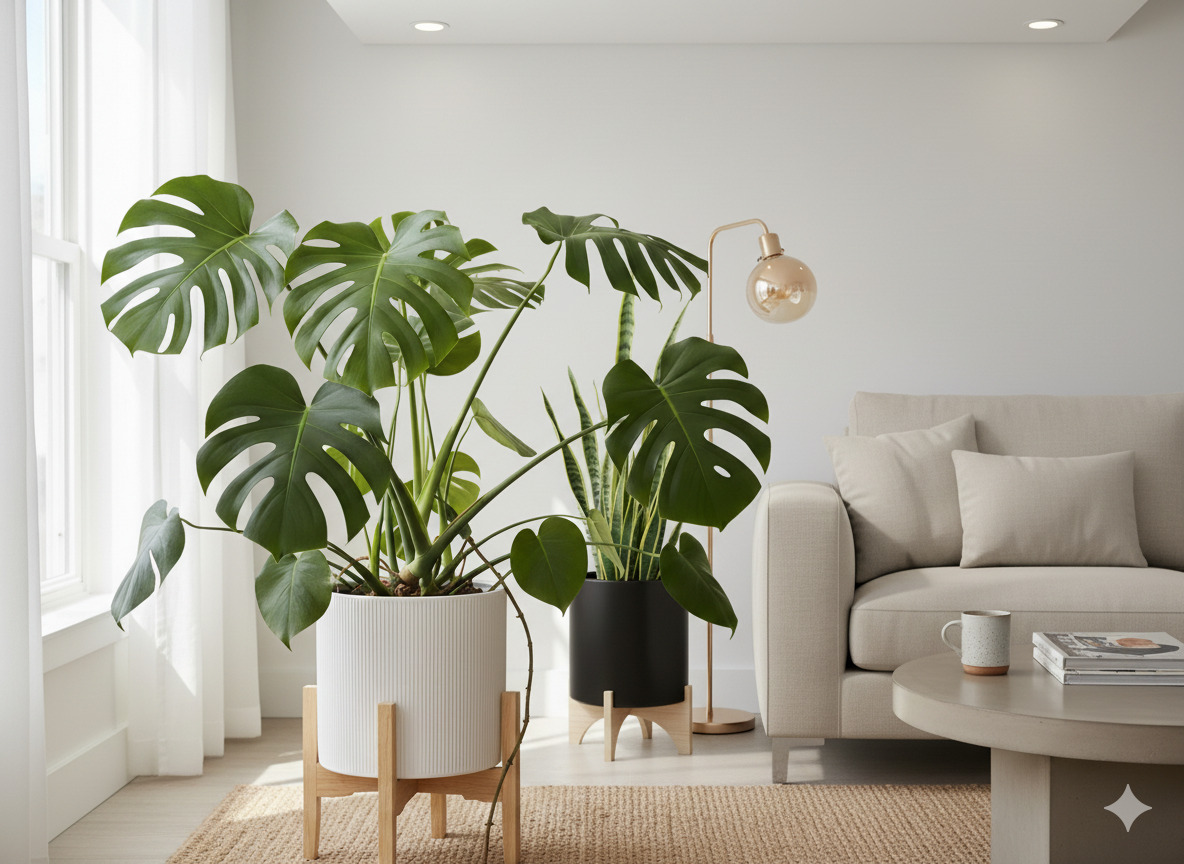
Indoor plants with proper lighting

Temperature and Humidity

Irish homes typically maintain temperatures between 18-22°C, which suits most indoor plants. However, humidity levels can be low, especially during winter.

Ideal Temperature

Most indoor plants prefer temperatures between 18-24°C. Avoid placing plants near radiators, air vents, or drafty windows.

Humidity Solutions

Group plants together, use a pebble tray with water, or mist leaves regularly to increase humidity around your plants.

Avoid Drafts

Keep plants away from doors, windows that are frequently opened, and heating or cooling vents that create temperature fluctuations.

Feeding and Maintenance

Regular feeding and maintenance keep your plants healthy and encourage growth. Here's what you need to know.

Plant maintenance and care

Fertilizing Schedule

Feed your plants during the growing season (spring and summer) with a balanced liquid fertilizer every 4-6 weeks. Reduce or stop feeding in autumn and winter.

Cleaning Leaves

Dust can block light absorption. Wipe leaves gently with a damp cloth monthly to keep them clean and allow proper photosynthesis.

Pruning and Trimming

Remove yellow or dead leaves regularly. Prune leggy growth to encourage bushier plants. Always use clean, sharp tools.

Repotting

When roots fill the pot or growth slows, it's time to repot. Choose a pot one size larger with good drainage, typically every 1-2 years.

Common Issues and Solutions

Learn to recognize and address common plant problems before they become serious.

Yellow Leaves

Often caused by overwatering or insufficient light. Check soil moisture and move to a brighter location if needed.

Brown Leaf Tips

Usually indicates low humidity or over-fertilization. Increase humidity and ensure you're not overfeeding.

Drooping Leaves

Can mean either overwatering or underwatering. Check soil moisture and adjust your watering schedule accordingly.

Slow Growth

May indicate insufficient light, nutrients, or need for repotting. Assess all factors and address as needed.

Need More Help?

Every plant and home environment is unique. If you're experiencing specific issues or have questions about your plants, our team is here to help.

Get Expert Advice

We use cookies to enhance your browsing experience and analyze site traffic. By continuing to use our site, you consent to our use of cookies. Learn more